



Hobbies and Mental Health: Simple Ways to Feel Better
After a long, draining day, it can be tempting to collapse on the couch, scroll on your phone, and zone out. But have you ever noticed how different you feel when you draw, cook, garden, read, or play music, even for a few minutes? That’s the quiet power of hobbies and mental health working together.
Hobbies are not a luxury or a childish extra. They are important tools for emotional balance, stress relief, and a sense of meaning. In this guide, we’ll explore how hobbies can improve your mental wellness, which kinds might help you most, and how to start, even if you feel tired, low, or unmotivated.
This content is for informational purposes only and is not a substitute for professional mental health care.
What Is the Link Between Hobbies and Mental Health?
The link between hobbies and mental health is simple: when you regularly do activities you enjoy or find meaningful, you give your brain and body a chance to reset, recharge, and feel more like yourself.
In many studies and reports from organizations like the American Psychological Association, people who engage in hobbies often show:
-
Lower levels of stress
-
Fewer symptoms of anxiety and depression
-
Better life satisfaction and sense of purpose
A hobby doesn’t have to be impressive or “productive.” If it helps you feel calmer, more present, or more like you, it matters.
How Can Hobbies Improve Your Mental Wellness?
Hobbies support mental wellness in several powerful, but often gentle, ways.
1. Hobbies give your brain a break
Life can keep your mind constantly focused on work, problems, and worries. Hobbies shift your attention.
When you do a hobby:
-
Your focus moves from stress to the task in front of you
-
Rumination (“overthinking”) often slows down
-
Your brain gets a rest from constant problem-solving
This “mental break” can leave you feeling clearer and more balanced afterward.
2. Hobbies create a sense of joy and pleasure
Many adults feel guilty for doing things “just for fun.” But pleasure is not pointless; it feeds your emotional health.
Hobbies can:
-
Spark small moments of joy and curiosity
-
Remind you that life is more than responsibilities
-
Balance out the hard parts of your day with something you actually enjoy
Even a few minutes of joy can change the tone of your whole evening.
3. Hobbies build confidence and identity
When you have something that is “yours,” it shapes how you see yourself.
Hobbies may help you:
-
Learn new skills and see your progress
-
Feel proud of small achievements (finishing a book, a puzzle, a recipe)
-
Remember who you are beyond your job, roles, and struggles
For people feeling lost, numb, or stuck, hobbies can gently rebuild a sense of identity.
4. Hobbies can connect you with others
Some hobbies are social by nature, such as:
-
Joining a sports team or walking group
-
Attending a book club, art class, or dance class
-
Playing games or doing crafts with others online or in person
Social connection is a major protective factor for mental health. Hobbies give you something to talk about and share, which can ease loneliness.
Types of Hobbies for Different Emotional Needs
There is no “one right” hobby. The best choice depends on what your mind and body need most right now.
Calming hobbies (for anxiety and stress)
These can help slow your thoughts and relax your body:
-
Drawing, coloring, or painting
-
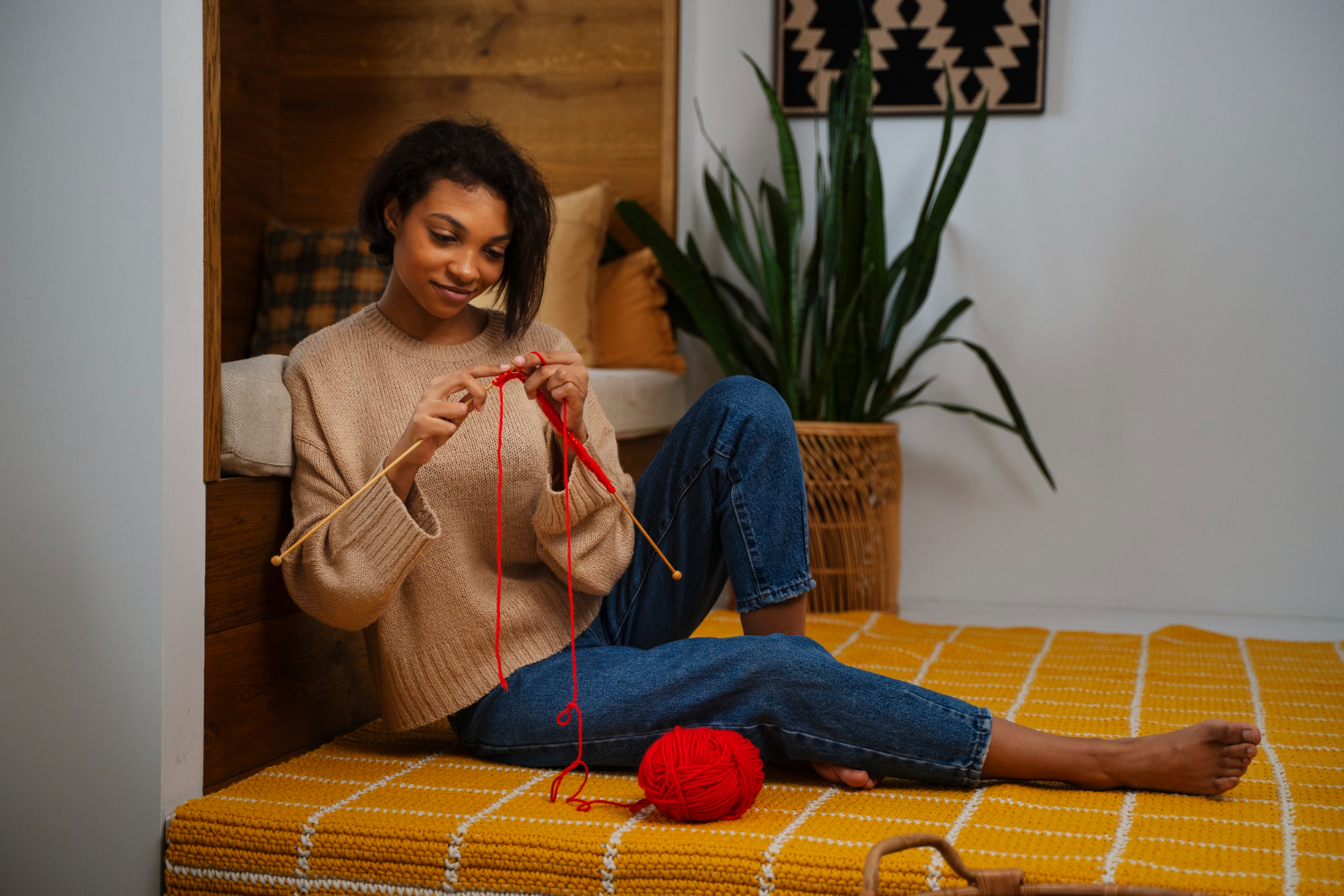
Knitting, crochet, or other handcrafts
-
Gardening or caring for plants
-
Gentle yoga or tai chi
-
Puzzles, model building, or simple DIY projects
They encourage slow, repetitive movements that calm your nervous system.
Energizing hobbies (for low mood or numbness)
These can help lift your energy and get you moving:
-
Dancing to your favorite songs
-
Walking, hiking, or cycling
-
Group classes (zumba, boxing, beginner fitness)
-
Learning a new instrument or upbeat music
They give your body and brain a spark when you feel flat or unmotivated.
Expressive hobbies (for strong emotions)
These can help you process feelings in a safe way:
-
Journaling or creative writing
-
Playing music or singing
-
Acting, improv, or spoken word
-
Photography or video creation
They let you express what is inside without needing perfect words.
How to Start a Hobby When You Feel Low
Starting something new can feel overwhelming when your mental health is struggling. You don’t need big goals. Think small, kind, and realistic.
1. Lower the pressure
Give yourself permission to:
-
Be a beginner
-
Not be “good” at it
-
Stop and start as needed
Your hobby is for you, not for social media or productivity.
2. Start with 5–10 minutes
Instead of trying to commit to an hour, try:
-
Reading one page of a book
-
Coloring for 5 minutes
-
Watering your plants and spending a moment noticing them
-
Doing a short online tutorial or “day 1” lesson
Small, consistent moments build into real habits.
3. Choose what feels doable, not ideal
Ask yourself:
-
“What kind of hobby sounds even a little bit comforting right now?”
-
“What could I do at home with what I already have?”
You do not need special tools, fancy supplies, or a big budget to begin.
4. Pair your hobby with an existing routine
To make it easier to remember:
-
Draw or write while you drink your morning coffee or tea
-
Listen to a hobby-related podcast while you cook or clean
-
Knit, color, or do a puzzle while you unwind before bed
Linking new habits to old routines makes them more likely to stick.
5. Be gentle with your inner critic
If you notice thoughts like “This is silly,” or “I’m wasting time,” try responding with:
-
“This is one small way I care for my mental health.”
-
“Enjoyment is a valid reason to do something.”
You deserve rest, pleasure, and creativity.
When to Seek Professional Help
Hobbies are powerful tools, but they are not a replacement for professional support when you need it.
You might benefit from seeing a therapist, counselor, or doctor if:
-
You feel overwhelmed most days, even when you try to relax
-
Anxiety, sadness, or numbness make daily tasks very hard
-
You lose interest in almost all hobbies or activities you used to enjoy
-
You use alcohol, drugs, or other behaviors to cope
-
You have thoughts of self-harm or feel like life is not worth living
If you are in immediate danger or thinking about harming yourself, contact emergency services or a crisis hotline in your country right away. You deserve urgent, compassionate care.
Hobbies can support therapy and other treatments by giving you safe, grounding activities between sessions.
Moving Forward: Let Joy Count Too
In a world that often praises productivity over rest, it can feel strange to slow down and knit, paint, read, or play music “for no reason.” But your mental wellness is a very good reason.
The relationship between hobbies and mental health is not about perfection or performance. It is about small, honest moments where you let yourself feel curious, creative, or calm.
You are allowed to enjoy things. You are allowed to have passions and interests that are just for you. Share this with someone who needs a reminder that joy and play are part of healing, and explore more of our resources if you’re ready to gently add a little more color back into your days.

