



Social Media’s Role in Mental Wellbeing
In today’s digital landscape, the topic of social media and mental health is more important than ever. Platforms such as Facebook, Instagram, Twitter, and TikTok have become fundamental to our daily routines, influencing perceptions about ourselves and the broader world. As society adapts, exploring how social media and mental health intersect is essential for understanding both the positive and negative effects these platforms have on wellbeing.
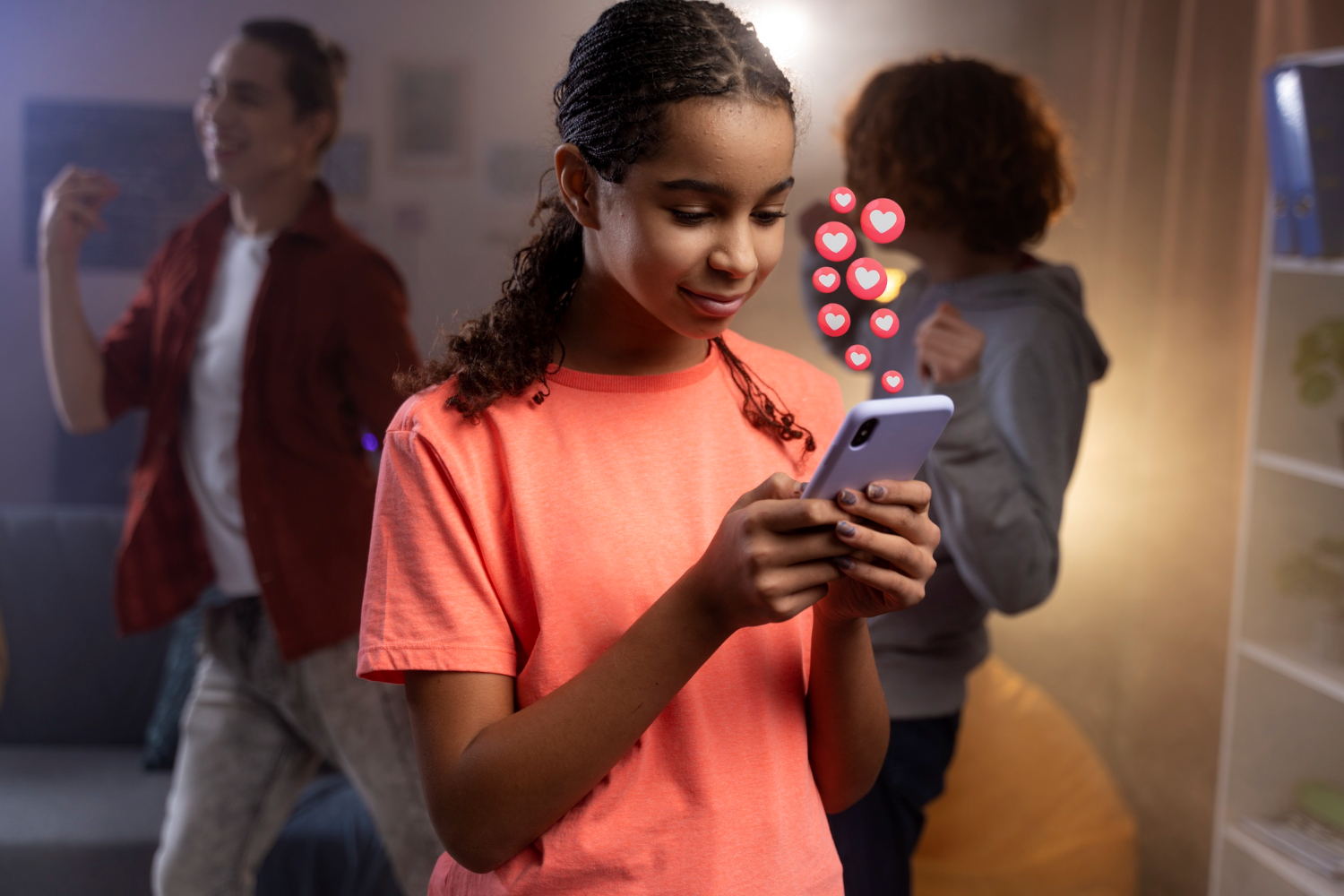
While there are widespread concerns about negative consequences, it’s equally vital to recognize how social media and mental health can be supported through positive interactions online. These platforms provide gateways to connection, empowerment, and emotional support, which play a significant role in mental wellbeing.
Building Connections and Community
The relationship between social media and mental health can be transformative for those feeling isolated. Connecting with friends, family, and global communities helps bridge distances, fostering closeness and a sense of belonging. For individuals seeking support, digital communities lift barriers, allowing for open discussion about experiences and personal challenges.
Online groups, united around shared interests or circumstances, strengthen networks of support — a key factor in improving social media and mental health outcomes. These spaces offer empathy, advice, and understanding, empowering those engaged to combat loneliness and increase social integration. The diverse nature of online communities also brings inclusivity and acceptance, enhancing emotional growth and broadening worldviews.
Raising Awareness and Support
Social media and mental health advocacy are driving forces behind stigma reduction and educational outreach. Campaigns, hashtags, and open conversations normalize mental health topics, encouraging users to seek guidance and support. Story-sharing elevates voices, creating environments where individuals are comforted by solidarity, empowerment, and the knowledge that they aren’t alone.
Virtual events and webinars on social media and mental health extend resources and information to broad audiences. Such initiatives equip users with relevant, actionable tools, contributing to a well-informed and compassionate landscape. Advocates leverage the reach of digital platforms to raise mental health awareness, strengthening society’s understanding and resilience.
Access to Resources
Another major benefit of social media and mental health integration is accessibility. Online support groups, actionable tips, and connections to professional services democratize knowledge and help-seeking. For those hesitant to engage offline, social media enables private exploration of mental health topics and access to resources without fear of judgment.
Innovative tools like meditation apps and mood trackers, often promoted on social media, further empower individuals to take charge of their mental health. By weaving these supports into daily routines, people can enhance wellbeing and cultivate healthy habits through informed and engaging means.
The Negative Side of Social Media and Mental Health
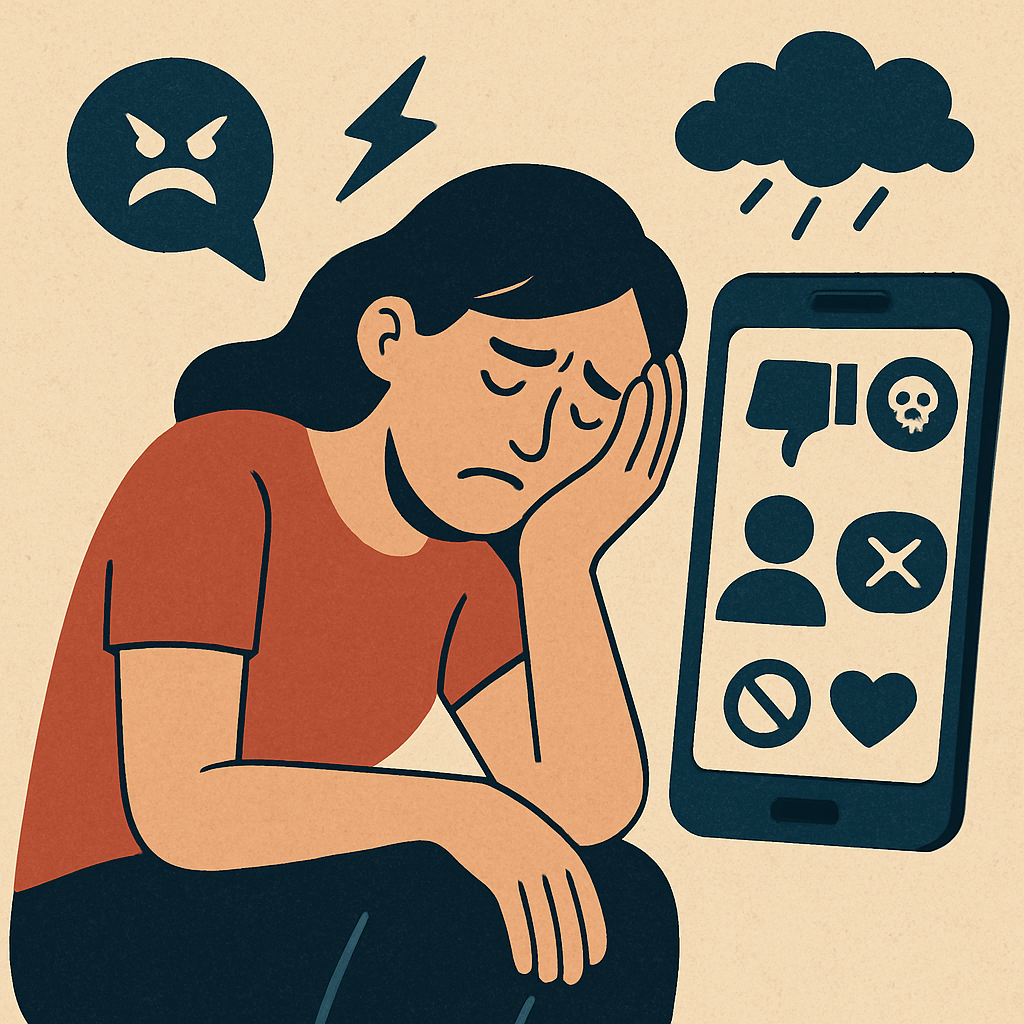
Despite its promise, the relationship between social media and mental health is complex and sometimes detrimental. Engaging features may contribute to adverse emotional states and unhealthy behaviors.
Social Comparison and Low Self-Esteem
One significant challenge is the social comparison often fostered by social media and mental health dynamics. Platforms frequently show curated, idealized lives, leading users to feel inadequate and less successful. This ongoing comparison may lower self-esteem, prompting anxiety or depression.
The pursuit of perfection and external validation can create cycles of self-criticism and reliance on digital affirmation, fueling anxiety and dissatisfaction. These patterns erode self-worth and pose risks to mental health over time.
Cyberbullying and Online Harassment
The dark side of social media and mental health also involves cyberbullying. Online harassment impacts emotional security, especially among younger users. The anonymity provided by platforms emboldens negative behavior, intensifying anxiety, depression, and feelings of helplessness.
The ripple effects may extend into offline relationships, resulting in withdrawal, loneliness, and further negative emotions. Breaking these cycles is essential to protect mental health in digital spaces.
Fear of Missing Out (FOMO)
FOMO is an undeniable phenomenon in conversations about social media and mental health. Watching others participate in desirable activities triggers feelings of exclusion, loneliness, and anxiety. The pressure to stay updated compels compulsive engagement, often disrupting routines and limiting productivity.
The curated highlight reels presented through social media can distort reality, causing dissatisfaction and the sense that opportunities for happiness are being missed. This ongoing pressure underscores the importance of intentional digital habits for wellbeing.
How Can Social Media Affect Mental Health?
Understanding the dynamic between social media and mental health is critical for making informed choices. Acknowledging the risks and benefits allows people to optimize their digital lives for personal wellbeing.
Impact on Sleep and Productivity
Excessive use of social media can disrupt sleep, especially when screen time continues late at night. The blue light from devices interferes with melatonin, affects sleep cycles, and leads to fatigue. Poor sleep impacts stress, concentration, and overall mental health. Productivity and mindfulness often suffer, emphasizing the need for healthy digital boundaries.
The constant stimulation of social media and the pressure to remain connected can heighten anxiety and reduce downtime, risking burnout.
Dopamine and Social Media Addiction
Social media and mental health challenges are heightened by addictive platform features. The dopamine rush associated with likes and comments encourages habitual checking and prioritization of digital interactions over real-world relationships. This cycle can lead to isolation, distorted self-image, and dependence on social media for affirmation.
Recognizing addictive patterns is key to restoring balance and improving mental health outcomes.
Effects on Real-World Interactions
The impact of social media and mental health extends into real-life connections. Over-reliance on digital communication may reduce crucial face-to-face skills, hampering the formation of meaningful relationships. Non-verbal cues are lost online, leading to misunderstandings. The distraction of maintaining an online presence often takes away from present, fulfilling experiences.
Striking a balance between digital and real-world interactions is vital for sustaining genuine relationships and a healthy sense of self.
Strategies for Balancing Social Media and Mental Health
To foster better mental health, balanced social media use is crucial. The following practices help mitigate risks and promote wellbeing:
-
Set boundaries: Dedicated time limits for social media and mental health screening can curb overuse, reduce anxiety, and support quality sleep and productivity.
-
Curate your feed: Follow uplifting accounts and disengage from content that generates unhealthy thoughts or feelings. This helps create a supportive digital environment.
-
Engage mindfully: Focus on meaningful interactions rather than passive scrolling. Intentional digital engagement reduces negative emotions and nurtures relationships.
-
Seek help: If the relationship between social media and mental health becomes problematic, reach out to professionals or support groups. Sharing experiences can foster community and facilitate recovery.
Conclusion
The effects of social media and mental health are multifaceted, bringing both opportunities and challenges to personal wellbeing. Mindful navigation, practical strategies, and proactive engagement enable individuals to harness the advantages while minimizing harms. By viewing social media as both a tool for connection and a source of empowerment, and by acknowledging its pitfalls , a healthier, more balanced digital life is attainable.

