


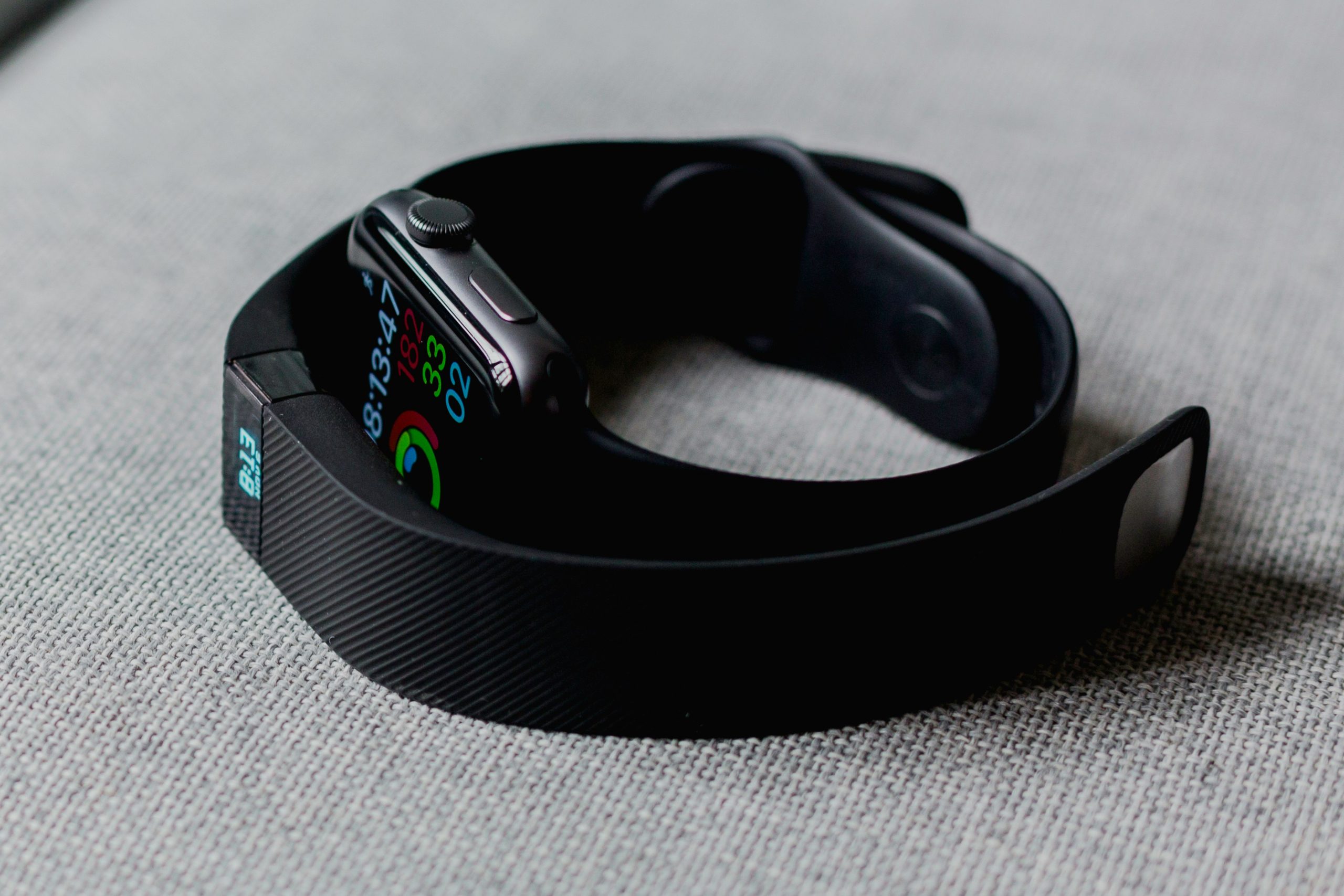
Wearable tech for mental health monitoring is rapidly reshaping how people manage stress, mood, anxiety, and overall emotional health. Simply put, wearable tech for mental health monitoring refers to smart devices such as smartwatches, fitness trackers, and dedicated sensors that collect physiological data to help users track and understand their mental well-being.
What Is Wearable Tech for Mental Health?
Wearable tech for mental health refers to devices like smartwatches, fitness bands, and EEG headsets that track data related to both physical and mental well-being. These gadgets use a suite of sensors, such as heart rate monitors, electrodermal activity gauges, and accelerometers to detect changes that could signal shifts in mental health, such as rising anxiety, chronic stress, or even symptoms of depression.
Common Types of Wearables Used:
-
Smartwatches & Fitness Trackers: Brands like Apple Watch, Fitbit, and Garmin monitor heart rate variability (HRV), sleep quality, physical activity, and occasionally, stress indicators using proprietary algorithms.
-
EEG Headsets: Devices like Muse and Emotiv offer insights into brainwave activity for mindfulness or cognitive training.
-
Smart Rings, Belts, and Patches: Focused on discreet and continuous physiological data collection for specific parameters such as stress or sleep disturbances.
How Do Wearables Monitor Mental Health?
These devices use advanced sensors to gather physical and mental health data. Key metrics include:
-
Heart Rate & Heart Rate Variability (HRV): Changes in HRV can indicate stress or anxiety. Consistent low HRV may suggest chronic stress or poor emotional resilience.
-
Physical Activity: Consistently low activity levels have been associated with symptoms of depression, while more regular movement is often linked with better mental health outcomes.
-
Sleep Patterns: Disturbances in sleep duration, REM cycles, or sleep interruptions can reflect underlying mental health struggles.
-
Electrodermal Activity & Skin Temperature: Subtle physiological responses, like increased sweating or temperature fluctuations, can be monitored for signs of emotional arousal or distress.
-
Brainwave Activity (EEG): Useful for cognitive assessments and neurofeedback therapy, giving real-time insight into relaxation or stress levels.
Advantages of Wearable Tech for Mental Health Monitoring
-
Continuous, Passive Monitoring: Users appreciate the ability to monitor well-being in real time, without needing to remember self-check-ins or log symptoms manually.
-
Early Warning Signs: Many devices can flag unusual patterns, prompting users to take action or seek help before a small issue becomes a bigger problem.
-
Personalization & Self-Awareness: Insights from data trends help some users better understand personal stress triggers, patterns of low mood, and the impact of lifestyle shifts.
-
Support for Healthcare Providers: Sharing objective data with therapists or doctors can make appointments more productive and tailored.
One user shared:
“I liked that my smartwatch alerted me about nights with poor sleep tied to higher stress. Over time, I started to see links between work deadlines and those alerts, which helped me adjust my schedule and routine.”
Limitations of Wearable Tech for Mental Health Monitoring
While promising, wearables aren’t a replacement for professional mental health care. Users and researchers note several challenges:
-
Accuracy: Not all devices offer clinically reliable data for diagnosing mental health conditions. Some sensors (like electrodermal activity) are prone to interference and “noise”.
-
Privacy: The storage and transmission of sensitive health data requires strict privacy and security measures, which not all companies guarantee.
-
User Engagement: Keeping people engaged with device features and insights over the long term can be a challenge.
-
Access: For some, the cost or complexity of advanced wearables remains a barrier.
The Future of Wearable Tech for Mental Health Monitoring
As AI and sensor technology advances, wearable tech for mental health monitoring is set to deliver even more personalized, real-time interventions. Combining device data with apps and telehealth holds promise for empowering proactive mental health care.
Wearable tech for mental health monitoring is helping people take greater control of their own well-being, offering data-driven insights and supporting early intervention. While not a substitute for therapy or medication, these devices increasingly play a valuable role in self-awareness and proactive mental health support. As the technology improves, so too does our ability to support mental well-being in daily life.

